Hibiscus powder for hair is a popular ingredient in traditional plant-based hair masks. But what can it actually do for the scalp and hair shaft—and what should you not expect? This practical guide covers preparation, safe use, and realistic results.
What is hibiscus powder?
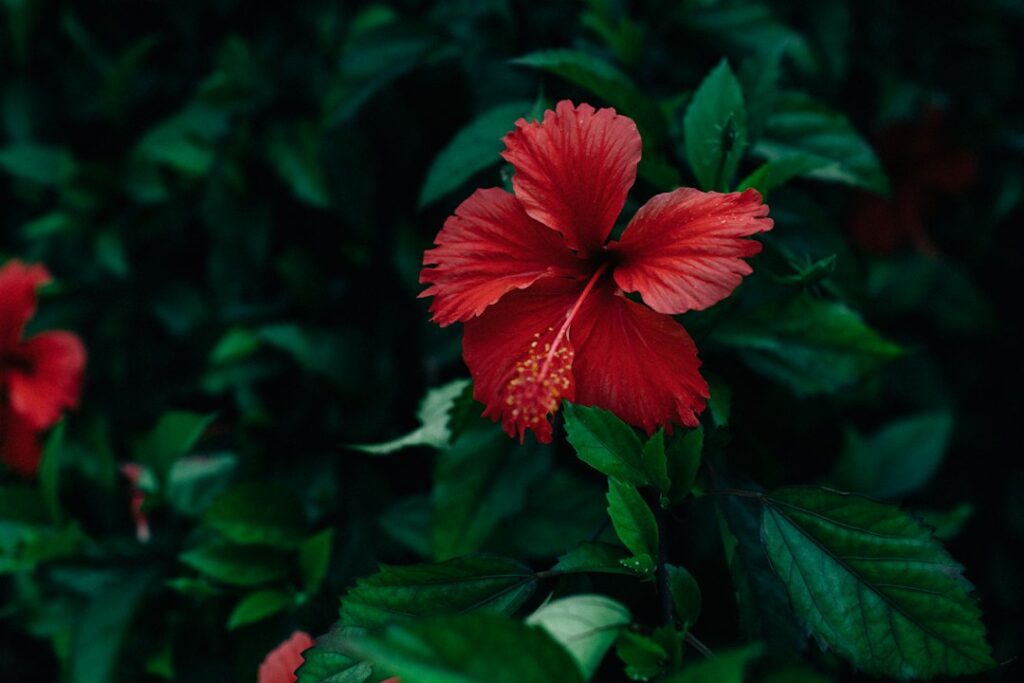
Hibiscus is a flowering plant used in traditional beauty routines. Botanical powders may be made from different species and plant parts, including flowers or leaves, so check the product label rather than assuming every hibiscus powder is identical. Cosmetic powders are intended for external use unless their label explicitly states otherwise.
Potential benefits: what is known and what is not?
Hair feel and manageability
When blended with water or a gentle conditioning base, a finely milled botanical paste can coat hair temporarily and may change how strands feel after washing. The outcome depends on hair type, preparation and whether the paste rinses out completely. It is not equivalent to clinically proven repair of damaged hair.
Scalp comfort
Some people enjoy a short, gentle mask as part of a wash-day routine. However, an itchy, flaky or inflamed scalp may indicate dandruff, eczema, psoriasis or another condition that needs appropriate treatment. Botanical masks are not established treatments for those disorders.
Hair growth: separate tradition from evidence
You may see claims that hibiscus stimulates hair follicles. Much of this discussion relies on traditional use or laboratory/animal research, not convincing clinical trials showing hair regrowth in people. Persistent shedding, a widening part, or patchy hair loss deserves professional assessment rather than relying on a homemade mask.
How to make a simple hibiscus hair mask
- Start small: Mix approximately 1 teaspoon of cosmetic-grade hibiscus powder with enough clean water to make a smooth, spreadable paste. This is a preparation suggestion, not a medically established dose.
- Patch-test: Try a small amount on an inconspicuous area first and wait to see if irritation develops. Do not proceed if it stings or causes redness.
- Apply gently: Smooth a thin layer onto damp hair lengths. Avoid broken, irritated skin and the eyes. Do not scrub the scalp aggressively.
- Keep it brief: For a first trial, leave on for about 5–10 minutes, then rinse thoroughly with lukewarm water. If hair feels gritty or dry, stop using the mixture.
- Finish as needed: Use your usual gentle conditioner if strands feel tangled. Make each mixture fresh; do not store a wet homemade mask for later use.
There is no validated schedule showing that applying hibiscus masks more often produces better results. Start infrequently and judge comfort and manageability.
Tailor the routine to your hair type
- Dry or curly hair: A plain water paste may not offer enough slip; consider using your regular conditioner instead, or skip a mask that causes friction.
- Fine hair: Use very little and rinse completely to avoid residue and heaviness.
- Colour-treated hair: Test on a hidden strand first, as pigmented botanicals may affect tone or interact with existing colour.
- Sensitive scalp: Avoid essential oils, fragrance and additional botanicals; seek advice if you have known allergies or active dermatitis.
Safety, allergies and when to seek care
“Natural” is not the same as allergy-free. Stop immediately if you notice itching, burning, swelling, rash, or worsening flakes. Do not apply to injured skin. Avoid eye contact and keep powder away from children. A cosmetic routine should never delay diagnosis of unusual hair loss or a persistently inflamed scalp.
For further reading, see the FDA guidance on using cosmetics safely and the American Academy of Dermatology’s hair-loss resources.
FEATURED BOTANICAL
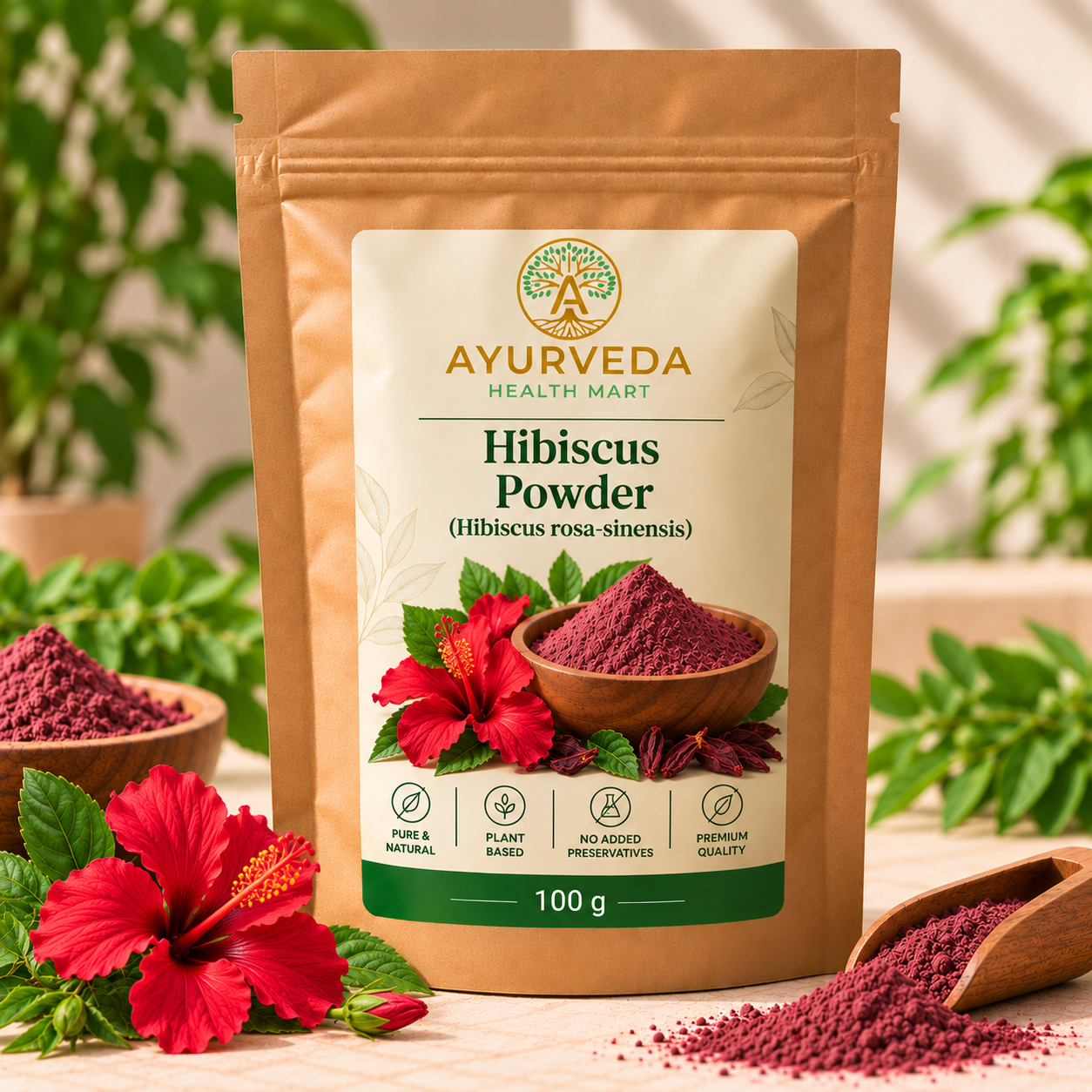
Ayurveda Health Mart Hibiscus Powder — 100 g
Explore this hibiscus powder for a simple cosmetic hair-care routine. Always check packaging for ingredients and directions; cosmetic use does not imply proven treatment of hair loss.
Related reading
Building a broader herbal wash-day routine? Read Amla vs Bhringraj for Hair, Reetha Powder for Hair, and Ayurvedic Hair Care: Traditional Herbs Explained. For a ready-made ingredient combination, explore the Amla, Bhringraj & Hibiscus bundle.
What results should you realistically expect?
Think of a hibiscus mask as an optional cosmetic step, not as treatment. After rinsing, some people notice a different feel or easier detangling, while others find botanical residue makes hair harder to manage. There is no established timeline for thicker hair, reduced shedding or follicle regrowth from a homemade hibiscus mask.
Take note of what happens after each use: comfort during application, ease of rinsing, frizz, tangling and any itching over the next day. If a routine leaves the hair rougher or the scalp uncomfortable, there is no reason to continue it.
How to choose a good hibiscus powder
Read the ingredient list for the botanical identity and any added fragrance, dyes or essential oils. Choose packaging with clear usage instructions, a batch or lot identifier and an intact seal. Finely milled powder usually makes a smoother paste than a coarse grind, but even fine botanical particles can be difficult to rinse from textured or thick hair. Use only products explicitly intended for the application you are considering.
A red or pink-looking powder is not by itself evidence of purity, potency or safety. Avoid assuming that a strong colour indicates superior performance. If the material smells unusual, appears damp or clumpy, or shows signs of contamination, do not use it.
Common mistakes to avoid
- Overloading the mask: Thick layers can dry on the hair and create tangles during rinsing. A thin layer is easier to remove.
- Leaving it overnight: There is no established benefit to prolonged contact, while longer exposure may increase irritation or mess.
- Mixing too many ingredients: Adding several herbs, fragrances and oils at once makes it difficult to identify the source of a reaction.
- Scrubbing inflamed skin: Friction and plant particles can aggravate irritated areas.
- Using a mask instead of assessing hair loss: Sudden shedding or patches of hair loss can have causes that require diagnosis.
A simple, low-fuss wash-day routine
First, gently detangle hair using your usual method. On a day when your scalp is comfortable, prepare a small fresh amount of mask and patch-test as advised above. Apply carefully, rinse fully, then follow your regular cleansing or conditioning routine if needed. Let the result—not a social-media claim—determine whether the extra step is worthwhile for you.
Those with persistent scalp scaling, tenderness, hair breakage or unexplained loss should prioritize a suitable hair-care plan and professional advice. A hair mask cannot address every underlying cause of hair and scalp changes.
Hibiscus compared with amla, bhringraj and reetha
These herbs fill different roles in traditional routines. Hibiscus is typically incorporated into a conditioning-style mask; amla is often discussed for its botanical composition and use in hair packs; bhringraj has a long history of traditional scalp-care use; and reetha contains natural saponins and is used as a cleanser. None should automatically be described as clinically proven to grow hair.
For ingredient-specific context, visit our guides on amla versus bhringraj and how reetha cleansing works. This helps readers choose a routine based on practical use rather than unsupported promises.
Frequently asked questions
Can hibiscus powder regrow thinning hair?
There is not enough high-quality human clinical evidence to recommend hibiscus powder for regrowth. Seek evaluation for ongoing thinning.
Can I use hibiscus powder every day?
Daily use has not been shown to improve outcomes and may increase dryness or irritation. Use sparingly according to tolerance.
Does hibiscus powder work for dandruff?
It is not a proven dandruff treatment. Persistent dandruff often responds better to established anti-dandruff care and clinical guidance.
Can I mix hibiscus with amla or bhringraj?
People combine these in traditional routines, but mixing several ingredients can make irritation harder to identify. Patch-test individually and avoid mixing if sensitive.
Editorial note: This article is educational, not a diagnosis or prescription. Medical review should be completed before claiming clinician approval.