Amla tablets vs amla powder: both are marketed as convenient ways to incorporate Indian gooseberry into daily wellness routines, but the formats are not interchangeable simply because they share a botanical name. This practical guide compares labels, ingredients, preparation, storage, evidence and safety to help readers choose responsibly.
What are amla and Amalaki?
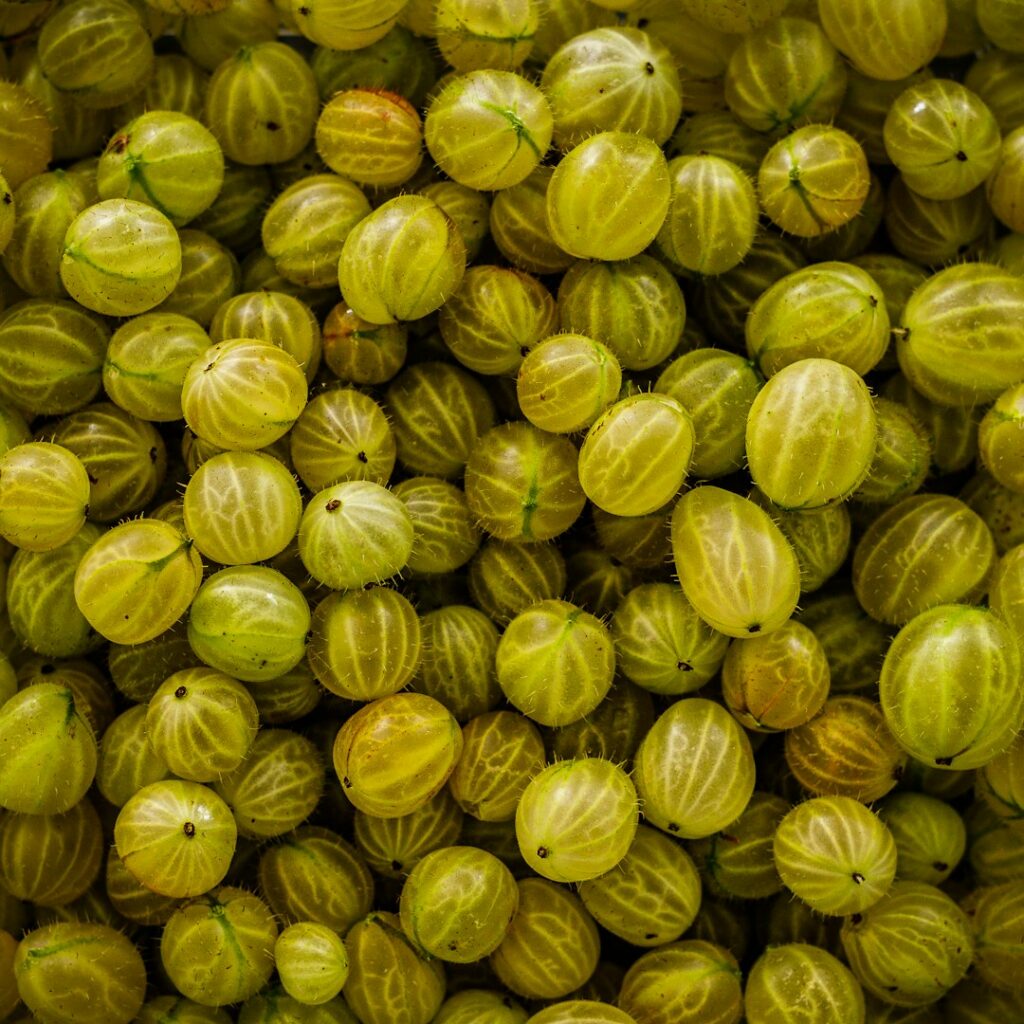
Amla is the common name for Indian gooseberry, generally identified botanically as Phyllanthus emblica (also called Emblica officinalis in older references). Amalaki is a traditional Sanskrit name. Fresh fruit, dried fruit, powdered fruit and tablet formulations share a botanical association but do not necessarily have the same composition, serving size or experience. Processing can alter moisture, taste and some plant constituents. The word natural on a label is not an independent guarantee of identity, quality or suitability.
Amla tablets versus powder: the practical differences
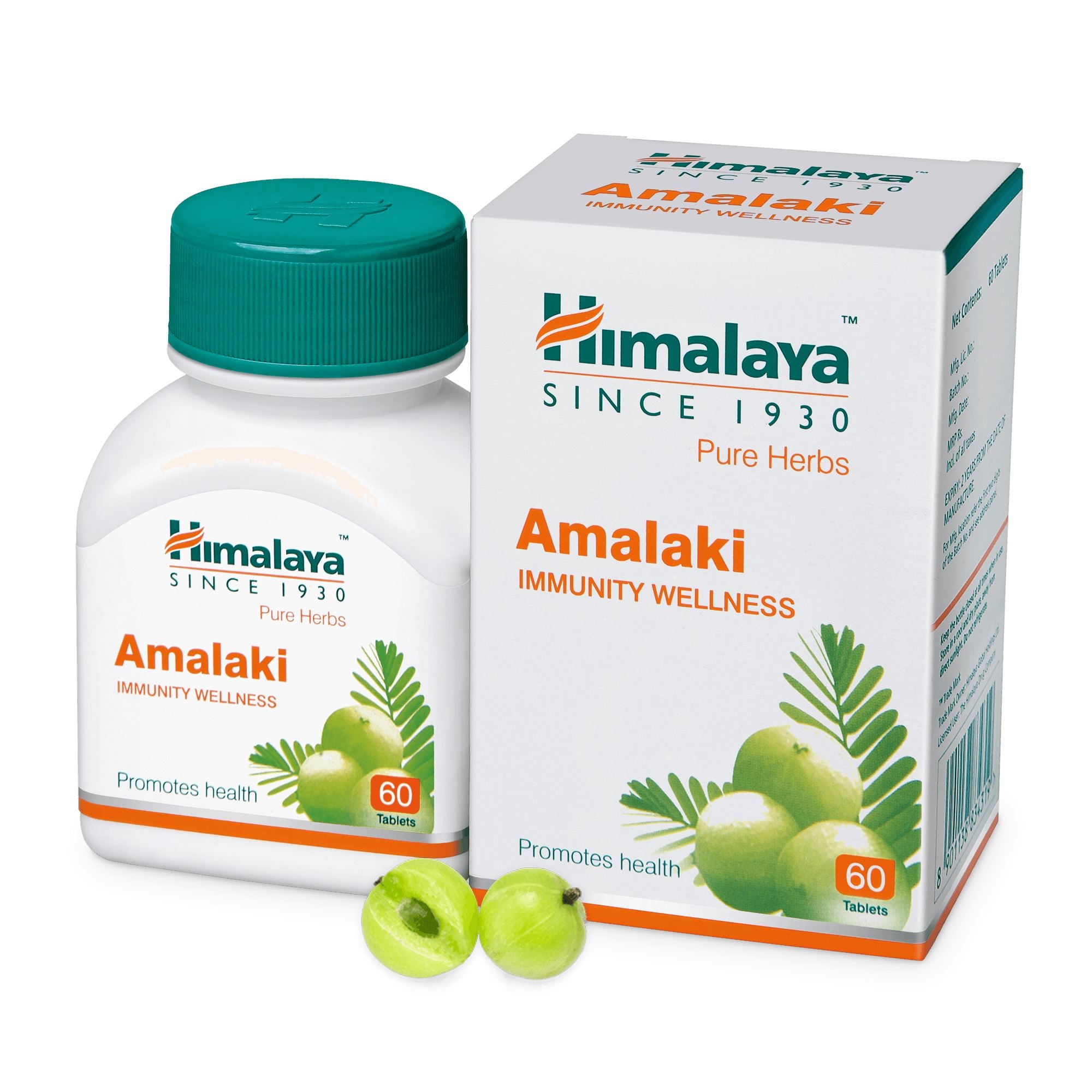
A tablet is a compressed dosage form that may contain powdered fruit, an extract, binding agents or additional herbs. Powder is usually a loose ground botanical material, but sellers may also offer extracts in powder form. Tablets may be convenient when travelling and easier to portion according to label instructions; loose powder can be mixed with food or liquids but requires care with measurement, hygiene and storage. Neither format can be declared universally more effective without direct evidence comparing specific products.
How to interpret milligrams, grams and serving sizes
A declaration of 500 mg describes mass, but not necessarily potency. One gram equals 1,000 milligrams, so it is useful to compare listed ingredient quantity per serving rather than package weight alone. However, a small mass of concentrated extract cannot be equated with the same mass of ground fruit. Check the ingredient name, whether the material is powder or extract, the number of units in a serving, and any disclosed standardized compounds. Never infer personal dosage from another person’s routine.
Whole fruit, standardized extracts and combination products
Products can differ in the plant part used, drying conditions and extraction technique. Some labels refer to vitamin C, polyphenols or tannins. These measurements may describe selected constituents but do not by themselves demonstrate that one product produces better skin, hair or immune outcomes. Amla is also found in blends such as Triphala, where effects and safety cannot be attributed to a single ingredient. Multi-herb tablets warrant a careful reading of the full ingredient list.
A quick comparison you can use while shopping
Choose based on the specific label and the way you intend to use the product. A tablet can be portable, convenient and less strongly flavoured; however, it may contain excipients and may not suit someone who has trouble swallowing pills. Powder is flexible to mix and may have fewer listed additives, though it requires measuring and may have a tart taste. Packaging also matters: powder needs protection from moisture and cross-contamination, whereas tablets need appropriate storage according to their label.
Does one form offer better health benefits?
There is no reliable basis to say all amla tablets are better than all powders, or vice versa. Laboratory measurements of antioxidants do not prove clinical benefit in humans. Limited studies examine selected amla extracts or combinations for outcomes such as blood lipids or metabolic markers, but study sizes, preparations and methods vary. These findings are not evidence that amla cures illness, replaces prescribed treatment or produces guaranteed hair growth. Treat beauty and general wellness claims as claims requiring human clinical evidence, not simply as traditional reputation.
Using amla in a daily routine
If choosing a culinary fruit powder, check that the package actually identifies food use and gives preparation and storage directions. Some consumers mix it into yogurt, drinks or recipes, but do not assume any recipe is medically therapeutic. If considering a tablet, read its own label rather than substituting the number of teaspoons used for powder. A person with a condition requiring medicine, or a special diet, should seek individual advice before treating supplement use as part of disease management.
Taste, convenience, and adherence
Taste and texture matter in a sustainable routine. Amla fruit powder is often notably sour or astringent and may not suit every preparation. Tablets can reduce direct exposure to taste but may be difficult to swallow for some users. Consider the real cost per listed serving, number of servings per pack, whether storage conditions suit your environment, and whether the ingredients match your personal preferences. Convenience is a legitimate buying criterion, but it should not be confused with health effectiveness.
Quality checklist: seven things to verify
Check the scientific name and the exact ingredient, and verify whether the fruit is whole powder or an extract. Read the entire ingredient list for excipients, sweeteners and added botanicals. Confirm the amount per serving and the manufacturer or distributor details. Check batch or lot number, expiry date, storage requirements and tamper evidence. When independent batch testing information is offered, evaluate whether it covers contaminants and corresponds to the actual batch. Finally, treat superlatives such as maximum purity or immunity booster as marketing language unless supported by clear, relevant evidence.
Safety, tolerability and interactions
Food quantities of amla in familiar diets are not the same exposure as repeated concentrated supplements. Supplements can cause unwanted digestive symptoms in some people. Evidence on interactions is incomplete. Anyone taking medicine for blood sugar control, anticoagulants or antiplatelet medicines, or living with a chronic condition, should check with a clinician or pharmacist rather than assume there can be no interaction. Avoid replacing medications with amla supplements. During pregnancy and breastfeeding, concentrated supplemental preparations should not be self-prescribed without professional advice because adequate safety data may be missing.
What about amla for hair and skin?
Amla has a long history of traditional cosmetic use, particularly in hair-care preparations. Yet cosmetic use, oral supplementation and applying loose powder to skin or scalp are different questions. A homemade topical mixture may irritate sensitive skin or eyes. Patch-test new topical products where appropriate and avoid damaged skin. Evidence does not establish that swallowing amla tablets or powder reverses patterned hair loss. Read our separate articles on amla and other traditional hair-care botanicals for context rather than assuming they are equivalent to medical treatments.
How to make a sensible purchase decision
Start with your purpose. If you want a flexible culinary ingredient, a clearly labelled food-grade powder may make practical sense. If you prefer a pre-portioned supplement, a labelled tablet may be easier to use consistently. In either case, confirm formulation, ingredient quantity, additives and individual suitability. Compare the two formats on a like-for-like basis only when the manufacturer provides enough information. When documentation is inadequate, the safest choice may be not to purchase that product.
Bottom line
Amla tablets and amla powder differ mainly in their preparation, ease of use, measurement and ingredients. Neither has an established general superiority for hair, skin or broad wellness. Shop using botanical identity, transparent labelling, realistic expectations and safety considerations. Discuss concentrated supplements with a qualified clinician if you take prescription medicines, have a relevant condition or are considering use during pregnancy or breastfeeding.
| Feature | Tablets | Powder |
|---|---|---|
| Portability | Generally convenient | Depends on resealable packaging |
| Measurement | Follow unit-based label | Measure carefully per product directions |
| Taste | Often less noticeable | Usually sour/astringent |
| Potential added ingredients | Binders, coatings, blended herbs | May contain additives or be an extract |
| Evidence of greater effectiveness | Not established for the format | Not established for the format |
Useful related guides
For traditional uses and nutrition, see Amla benefits for hair, skin and everyday nutrition. For a focused botanical comparison read Amla vs Bhringraj for hair. A broader purchasing checklist is available in how to choose an Ayurvedic supplement online.
Independent references
NCCIH: Using dietary supplements wisely; NIH ODS: What you need to know about supplements; PubMed research on Phyllanthus emblica. General supplement guidance is not a claim of clinical proof for any amla brand.
Frequently asked questions
Are amla tablets better than amla powder?
No format-wide clinical superiority is established. Compare the actual labelled formulation, quality and individual needs.
Is Amalaki the same as amla?
Amalaki is a traditional name for Indian gooseberry, commonly botanically identified as Phyllanthus emblica.
Is 500 mg of extract equivalent to 500 mg of powder?
Not necessarily. Extraction and standardization change the composition; mass alone cannot show equivalence.
Can I take amla every day?
Suitability depends on the preparation and your health circumstances. Follow the product label and consult a clinician about sustained supplement use.
Does amla cause hair regrowth?
Evidence does not establish that taking amla supplements reverses patterned hair loss.
Can I combine amla with medicines?
Discuss supplements with your pharmacist or doctor, particularly if you take diabetes or blood-thinning medicines.
Can I use amla powder on my face?
Topical use may irritate skin; cosmetic powders differ from oral supplements and require careful use and patch testing.
Do larger packs mean higher quality?
No. Pack size is a commercial quantity, not proof of purity, effectiveness or an appropriate course.
Should pregnant people use amla supplements?
Avoid self-prescribing concentrated products during pregnancy or breastfeeding without qualified medical advice.
Educational note: This guide does not replace medical consultation and does not claim individualized clinical review.