

Ashwagandha dosage is not simply the number of milligrams printed on the front of a bottle. A 250 mg whole-root powder tablet, a 300 mg standardized root extract and a 600 mg mixed-part extract may deliver quite different preparations. This guide explains how to understand labels without assuming that a dose investigated in one clinical trial is appropriate for everybody.
What does “mg” mean on an ashwagandha label?
Milligrams (mg) measure mass, not clinical strength. First identify whether the stated number applies to each tablet or capsule, the suggested serving (which might contain multiple units), or the total quantity of a multi-ingredient blend. For example, a label that says “250 mg per tablet” does not necessarily mean the product’s directions advise taking one tablet or that this is an established therapeutic dose.
Botanical identification matters too. The accepted scientific name commonly used for ashwagandha is Withania somnifera. Check whether the label specifies root, leaves or another part. Trials studying one preparation may not apply to another preparation, even when the declared milligram amounts match. A larger milligram figure is not automatically better.
Whole-root powder, root extract and standardized extract
Whole-root powder
This usually means ground, dried root rather than a concentrated extract. Composition depends on the raw plant material and processing. The label should identify the botanical ingredient, quantity, additives, storage conditions and serving instructions.
Extracts and extraction ratios
An extract is prepared using a process intended to concentrate some constituents. A label may specify “10:1” or another ratio, but the interpretation depends on how the manufacturer defines the ratio and what substances have been extracted. An advertised ratio is not proof of superior quality or clinical effectiveness.
Standardized extracts and withanolides
Some formulations declare a percentage of withanolides, a family of naturally occurring compounds associated with the plant. This can provide useful specification information, but percentage alone does not establish equivalent exposure across extraction techniques, laboratories, or constituent profiles. It is not a universal safety or efficacy ranking.
| Label wording | What it tells you | What it does not prove |
|---|---|---|
| 250 mg root powder | Mass of powder, if accurately declared | Equivalence to concentrated extract |
| 300 mg root extract | Mass of an extract preparation | A universal effective dose |
| Standardized to X% withanolides | A manufacturer-stated constituent specification | Clinical superiority, safety or interchangeability |
How to read an ashwagandha supplement label, step by step
- Find the scientific name. It should clearly identify Withania somnifera rather than relying only on a marketing name.
- Identify plant parts. Root-only preparations are not identical to root-and-leaf combinations.
- Check serving size and unit count. A serving of two capsules differs from one capsule even if front-of-pack language looks similar.
- Identify powder or extract. Do not directly compare milligrams across distinct processing methods.
- Inspect all ingredients. Additional herbs, minerals, sedatives, sweeteners and excipients introduce separate questions.
- Read actual directions and warnings. Do not infer a schedule from a published research abstract or influencer video.
- Check batch identification. Look for manufacturer details, lot number, expiry date and, where available, independent testing information.
- Assess your own suitability. Pregnancy, thyroid disorders, autoimmune conditions, liver disease and medication use deserve particular caution.
The amount shown per tablet is only one piece of the decision. A responsible comparison must consider ingredients, specifications, documented quality and the individual user. See our supplement quality and authenticity guide for a more general checklist.
How to interpret dosage amounts reported in clinical studies
Studies on stress and sleep have investigated different proprietary extracts, often over several weeks. Some small randomized trials report improvements in selected outcomes, but findings remain limited by sample size, differences between formulations, duration and participant characteristics. A dose tested under clinical supervision is not automatically a recommended dose for self-treatment or for another manufacturer’s product.
When reading a study, ask whether researchers used whole-root powder or an extract; how much was given per day; whether it was divided; whether standardized constituents were reported; how long participants were followed; what group was excluded; and whether adverse events were systematically measured.
The most important distinction is between a study protocol and a personal dosing recommendation. Study participants may be screened for health conditions, monitored and supplied a specific preparation. Those conditions often do not match real-world shopping or self-use.
For background on the evidence and safety limits, read the NIH Office of Dietary Supplements ashwagandha fact sheet and the NCCIH ashwagandha overview.
Morning or night? How long is too long?
There is no universally established best time to take ashwagandha. Timing in studies varies by preparation and outcome, while product labels may provide their own directions. People may experience sleepiness or gastrointestinal discomfort, and these reactions are reasons not to improvise a schedule. If you work shifts, drive or operate equipment, be particularly mindful of possible sedation.
Long-term safety evidence is limited. Studies lasting weeks or a few months cannot demonstrate safety from indefinite use. Do not interpret a familiar herb’s traditional reputation as evidence that continuous high-dose exposure is harmless.
For related questions, see morning versus nighttime use, how long effects may take, and our review of stress and sleep evidence. A separate planned article will focus specifically on duration and longer-term safety.
Important safety considerations and possible interactions
Ashwagandha may cause digestive upset, diarrhea, nausea or drowsiness. Rare reports of liver injury associated with supplements containing ashwagandha have been published. Stop use and seek prompt medical help for yellowing skin or eyes, dark urine, severe persistent nausea or unusual fatigue.
Avoid using ashwagandha during pregnancy; it is also generally discouraged during breastfeeding because reliable safety information is inadequate. It may affect thyroid function and may interact with thyroid medication, sedatives, immunosuppressants and medicines for blood sugar or blood pressure. Individuals with autoimmune disease, thyroid disorders or relevant liver conditions should consult their healthcare professional before considering it.
Do not replace treatment for anxiety, insomnia or another medical diagnosis with a supplement. Tell your doctor and pharmacist about every supplement you use, especially before procedures or when prescription medicines change. The NCCIH supplement safety guidance provides useful general advice.
Three practical label-reading examples
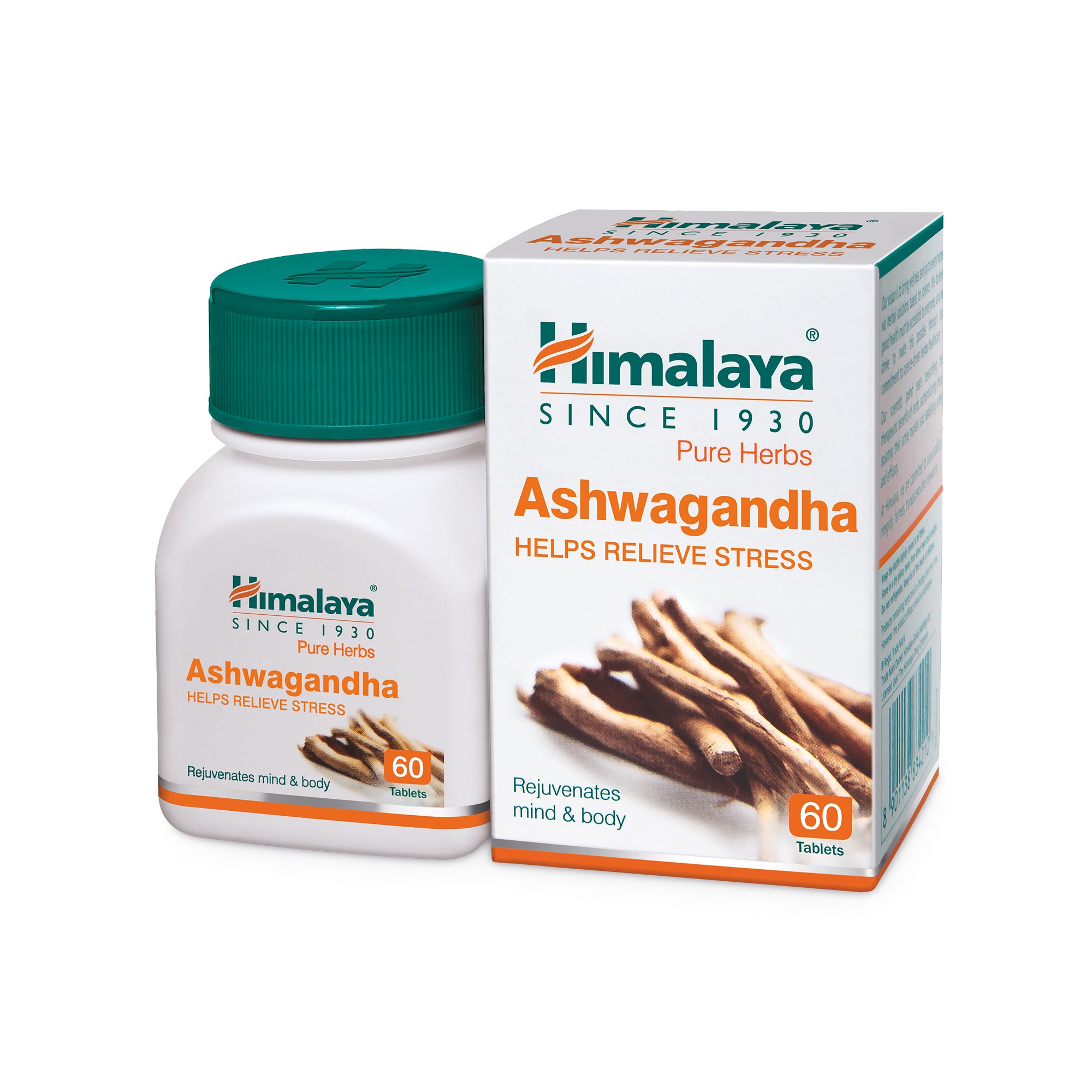
Example A: A 250 mg tablet
A product page shows 250 mg in its name. Before comparing it with other products, check the full package label: whether 250 mg refers to root powder, extract or something else; the stated serving; additives; precautions; and whether any standardization is documented. It is not enough to assume “250 mg” means weak or safe for everybody.
Example B: Two 300 mg extract capsules
If a label states a serving of two 300 mg capsules, that serving totals 600 mg of the specified extract. It cannot be treated as equivalent to 600 mg of non-extracted powder, nor does arithmetic turn it into an individualized dosing recommendation.
Example C: A “high-strength” combination blend
A multi-herb formula may advertise a large combined milligram total even though it contains several ingredients. Look for ingredient-by-ingredient amounts and relevant warnings. When the quantity of each constituent is unclear, do not guess how much ashwagandha the product supplies.
Frequently asked questions
Is 250 mg of ashwagandha the same as 300 mg of extract?
No. Processing, plant part and composition can differ, and the mass alone does not establish equivalent effects.
What is the best ashwagandha dosage for stress?
There is no universally appropriate dose. Some trials study particular extracts, but your clinician and the instructions for your specific product matter more than copying trial doses.
Are higher withanolide percentages always better?
No. The number does not by itself establish clinical superiority, product quality or safety.
Can I double my serving if nothing happens?
Do not increase your supplement intake independently. More can increase adverse effects without a demonstrated increase in benefit.
Can ashwagandha interact with thyroid medicines?
Yes, thyroid effects and medication interactions are concerns. Consult your treating clinician first.
Can ashwagandha be taken indefinitely?
Long-term safety has not been established. Reassess the need and risks with a healthcare professional.
Can pregnant or breastfeeding people use it?
Avoid during pregnancy and generally avoid during breastfeeding due to safety concerns and insufficient evidence.
Medical information notice: This article provides education about reading labels and evidence. It is not individualized medical advice, and it has not been represented as clinician-reviewed.