

How long can you take ashwagandha? Clinical research often looks at weeks rather than years. This guide focuses on duration of use and safety, not the separate question of how long the supplement may take to produce an effect. It explains what short-term trials can tell us, when to reassess use, and why ‘natural’ does not equal safe indefinitely.
How long can you take ashwagandha?
There is no established length of time that is safe for every person. NIH resources indicate ashwagandha may be tolerated during short-term use, typically up to about three months in research settings, but evidence is insufficient to determine its long-term safety. That does not mean three months is a guaranteed safe limit, or that use beyond three months is known to be harmful. Individual risks, preparation, dose and medicines matter. A supplement should not be taken continuously simply because it is herbal.
What do 8-week, 12-week and longer trials actually tell us?
Many studies addressing stress or sleep follow participants for approximately six to twelve weeks. Such designs can detect selected benefits and adverse events during that period, but cannot establish what happens after years of continuous use. An eight-week study of a specific standardized root extract may be useful evidence about that preparation in its selected participants; it does not validate every retail capsule or combined product. Some reproductive-health investigations extend to two to four months, but those outcomes cannot establish general long-term safety either. Even apparently reassuring blood tests in a study cannot rule out rare harms, delayed effects or risks in populations excluded from the trial.
Does three months mean you must stop on day 90?
No research-based universal stop date exists. ‘Up to three months’ is a description of where much of the available short-term safety evidence lies, not a personal dosing instruction or a guarantee until a particular calendar day. If you are currently taking it, discuss with your clinician why you started, whether any measurable benefit occurred, whether adverse effects developed and whether continued use is justified. Never treat silence from a product label as approval for unlimited consumption.
Duration is different from time to notice an effect
The question ‘how long can I take it?’ concerns exposure and safety. ‘How long until it works?’ concerns efficacy and when an effect might appear. An individual who notices no change after several weeks should not automatically increase a dose or continue indefinitely. Sleep, stress and mood symptoms may have medical or situational causes that require attention. For the response-timing question, read our existing guide on how long ashwagandha may take to work instead of conflating the two search intents.
Safety issues that matter more with continued use
Reported common effects include nausea, stomach upset, loose stools and drowsiness. Rare instances of liver injury have been linked to ashwagandha-containing supplements. Warning signs such as jaundice, dark urine, pale stools, severe abdominal discomfort or persistent nausea warrant stopping the product and prompt medical assessment. Ashwagandha may affect thyroid function; people with thyroid disorders or those taking thyroid-hormone treatment need medical guidance. It can interact with sedatives, anti-seizure medicines, immunosuppressants, and medicines used for blood pressure or diabetes. Interactions are not fully characterized, so missing an interaction from a list is not proof of safety.
Who should avoid it or speak to a clinician first?
Avoid ashwagandha during pregnancy and breastfeeding. It is not recommended before surgery, or for people with autoimmune or thyroid disorders without specialist advice. Individuals with hormone-sensitive prostate cancer should avoid use. People with liver disease, multiple chronic conditions or complex medicine regimens should obtain professional advice rather than starting or continuing independently. Children should not be given an adult supplement regimen without appropriate pediatric guidance. These cautions are especially important for long-duration use because clinical data often exclude vulnerable groups.
A practical reassessment checklist
Begin with the reason for use: stress, sleep, another symptom or a general wellness goal. Record what change you are hoping to notice, while recognizing subjective changes may arise for many reasons. Check the precise product label, botanical identity, plant part, amount per serving and all additional ingredients. Confirm that the batch, expiry, seller and manufacturing details are available. Review current medicines and health changes with a pharmacist or doctor. If a new symptom appears, avoid assuming it is unrelated to the supplement. At follow-up, ask whether the original problem needs evaluation, whether any benefit seems meaningful and whether continued exposure outweighs uncertainty.
Should you cycle ashwagandha or take breaks?
Online advice sometimes recommends cycles such as several weeks ‘on’ and a week ‘off’. There is no well-established evidence that a particular cycling schedule prevents liver injury, thyroid-related effects or interactions. Stopping and restarting can also make it harder to identify the cause of changing symptoms. Rather than using an arbitrary cycling formula, discuss your reason for taking it and whether a supervised trial with a defined review point makes sense.
Does long-term safety differ between powder and extract?
Root powder, root extracts and root-and-leaf extracts are not automatically interchangeable. Extraction and standardization influence composition. A ‘high potency’ claim or a withanolide percentage does not demonstrate long-term safety. The same numerical milligram amount can represent different exposures, and evidence from a clinical trial of one formulation should not be generalized across brands. Multiple herbal ingredients may add extra uncertainties.
Alternatives worth considering before continued supplementation
For sleep difficulties, a consistent sleep schedule, evaluation for sleep apnea where appropriate, and evidence-based behavioral treatment may be more relevant than long-term supplementation. For stress, workload changes, exercise, practical coping strategies and professional support can help depending on circumstances. Persistent fatigue, palpitations, changes in weight, anxiety or insomnia can have underlying causes. Seeking assessment can prevent a supplement from masking a treatable problem.
Comparing product information without making duration promises
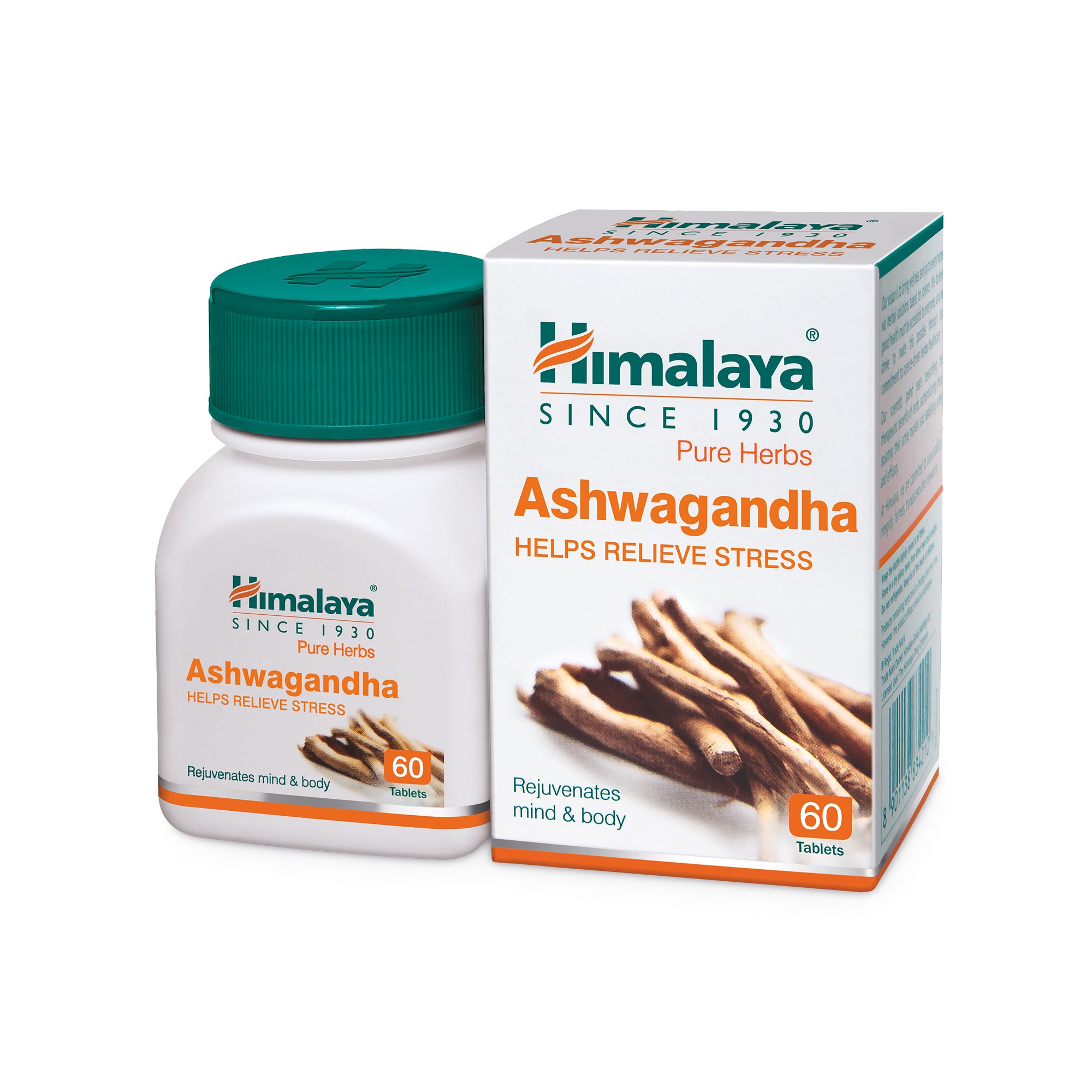
Himalaya Ashwagandha tablets and Organic India Ashwagandha capsules have different product presentations. Compare their currently displayed labels and warnings rather than assuming that one bottle size corresponds to a recommended course length. Counts such as 60 tablets or 90 capsules tell you the contents of a package; they do not establish how many days a person should use the supplement. A product’s label directions must be read in context with personal health advice.
The bottom line
Short-term research offers limited reassurance for certain studied ashwagandha preparations, but does not prove that daily use for six months, a year or indefinitely is safe. There is no universally applicable duration, dosage or cycling strategy. Reassess the need for use, read the specific label and speak with a healthcare professional when medication interactions, chronic conditions or persistent symptoms are involved.
Learn about extracts, milligrams and label directions, when effects might be noticed, and the ashwagandha overview.
Research and safety references
NIH Office of Dietary Supplements: Ashwagandha health professional fact sheet; NCCIH: Usefulness and safety; An eight-week randomized safety study in healthy volunteers. These sources discuss studied preparations and limits; they do not certify any particular retail product.
Frequently asked questions
Can I take ashwagandha every day for six months?
Its long-term safety is not established. Consult your clinician rather than assuming a six-month daily course is safe.
Is 90 days the maximum recommended duration?
No universally validated maximum exists. Research often covers up to around three months; this is an evidence limitation, not a guarantee of safety up to day 90.
Should I stop if I notice nausea or unusual tiredness?
Stop and seek advice. Yellowing eyes or skin, dark urine or severe symptoms need prompt medical attention.
Should I take a break after eight weeks?
There is no proven universal cycling regimen. Reassess with a qualified professional instead of following an arbitrary schedule.
Can I take ashwagandha with thyroid medication?
Potential thyroid effects and drug interactions warrant review by your treating clinician before use.
Does the bottle size tell me the correct course length?
No. A 60- or 90-count package describes quantity, not a clinically established recommended duration.
Is it safe in pregnancy or breastfeeding?
Avoid use in pregnancy and breastfeeding due to safety concerns and limited evidence.
What if stress or insomnia continues?
Seek assessment of persistent symptoms. Supplements are not a replacement for diagnosis or evidence-based care.
Editorial note: Educational information, not individualized medical advice. No medical review by a named clinician is claimed.