
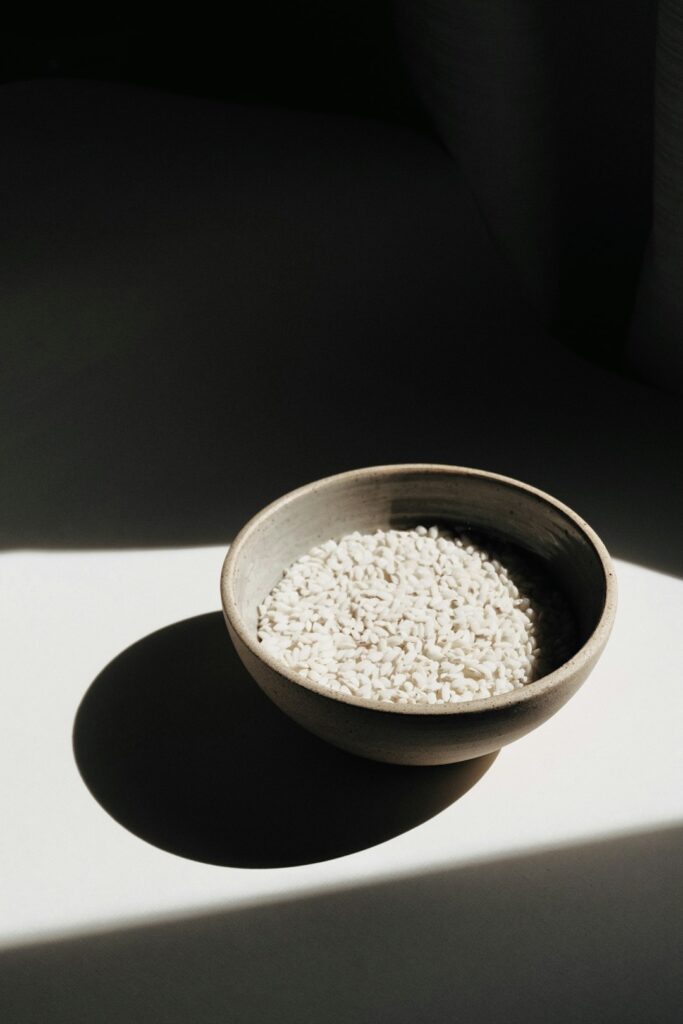
Psyllium, also known as ispaghula husk, is a soluble, gel-forming fiber from Plantago ovata. It absorbs water and may help make stools easier to pass in some types of constipation. It is not an instant laxative, and safe fluid intake matters.
Contents
How psyllium works
When mixed with enough fluid, psyllium forms a soft gel and increases stool bulk. Some people find it improves regularity; others may initially experience bloating or gas. Benefits depend on the underlying cause of constipation, hydration, routine and other dietary factors.
For broader context see our guide to herbs and digestive health and our comparison of isabgol and Triphala. Psyllium is a bulk-forming fiber and should not be described as a cure for digestive disease.
How to take psyllium safely
Follow the instructions for your specific product and start with the amount indicated on its label or by your clinician. Mix powder thoroughly into a full glass of water or another suitable drink, consume promptly, and drink adequate fluids through the day. Do not swallow dry powder. A pharmacist can advise on timing around prescription medicines because fiber supplements may affect absorption of some products.
Who should be cautious?
Ask a healthcare professional before using psyllium if you have swallowing difficulties, suspected bowel obstruction, unexplained severe abdominal pain or a sudden persistent change in bowel habits. Seek urgent care for severe pain, vomiting, inability to pass gas or stool, rectal bleeding or signs of dehydration. Continued constipation also warrants assessment.
The MedlinePlus psyllium monograph includes further medicine and safety information.
Soluble and insoluble fiber: what is the difference?
Dietary fiber describes several different plant components. Soluble fibers can dissolve or swell in water; some form a viscous gel. Insoluble fibers often contribute bulk and influence movement through the gut. Psyllium is notable for its gel-forming properties, but it is not a replacement for a varied diet that includes vegetables, fruits, legumes and whole grains.
What causes constipation?
Constipation may involve infrequent bowel movements, hard stools, excessive straining or a feeling of incomplete evacuation. Potential contributors include changes in routine, low fiber intake, dehydration, certain medicines, limited activity and underlying medical conditions. Some people experience constipation even while eating adequate fiber, particularly if pelvic floor dysfunction or slow-transit constipation is present.
Building a gentle daily routine
Consistency can be more helpful than making abrupt changes. Eat regular meals, respond to the urge to pass stool, allow relaxed bathroom time and increase dietary fiber gradually. Walking and other appropriate movement can support a healthy routine. When trying a fiber supplement, follow its label instructions closely and avoid using several new bowel products at once, since doing so can make side effects harder to interpret.
What to expect in the first week
A sudden jump in fiber intake can cause gas, bloating or changes in stool consistency. Gradually increasing intake and maintaining adequate fluids may improve tolerability. If constipation becomes significantly more painful or is accompanied by vomiting or abdominal distension, stop self-treatment and obtain medical advice. Not everyone responds to psyllium, and continued straining deserves an evaluation.
Medicines and special situations
Bulk-forming fiber can alter absorption of some oral medicines. A pharmacist can advise whether doses need to be separated and by how long for your specific prescription. Anyone with difficulty swallowing, previous bowel obstruction or a condition requiring fluid restriction should get individualized advice first. Children, pregnant people and people with complex medical conditions may need specific product guidance.
A practical food-first checklist
- Include a range of fiber-containing foods rather than relying only on supplements.
- Increase fiber intake gradually so your gut has time to adapt.
- Drink enough fluid for your individual needs, particularly with bulk-forming supplements.
- Review medicines that may contribute to constipation with a professional.
- Seek assessment if symptoms persist or warning signs appear.
Frequently asked questions
How quickly does psyllium work?
Effects may take more than a day and vary by person and product.
Why is water important?
Psyllium swells when hydrated; taking it dry or with insufficient fluid can be dangerous.
Is it the same as a stimulant laxative?
No. Psyllium is a bulk-forming fiber, not a stimulant laxative.
For general education only. Seek personalized advice for persistent constipation or complex medical conditions.