
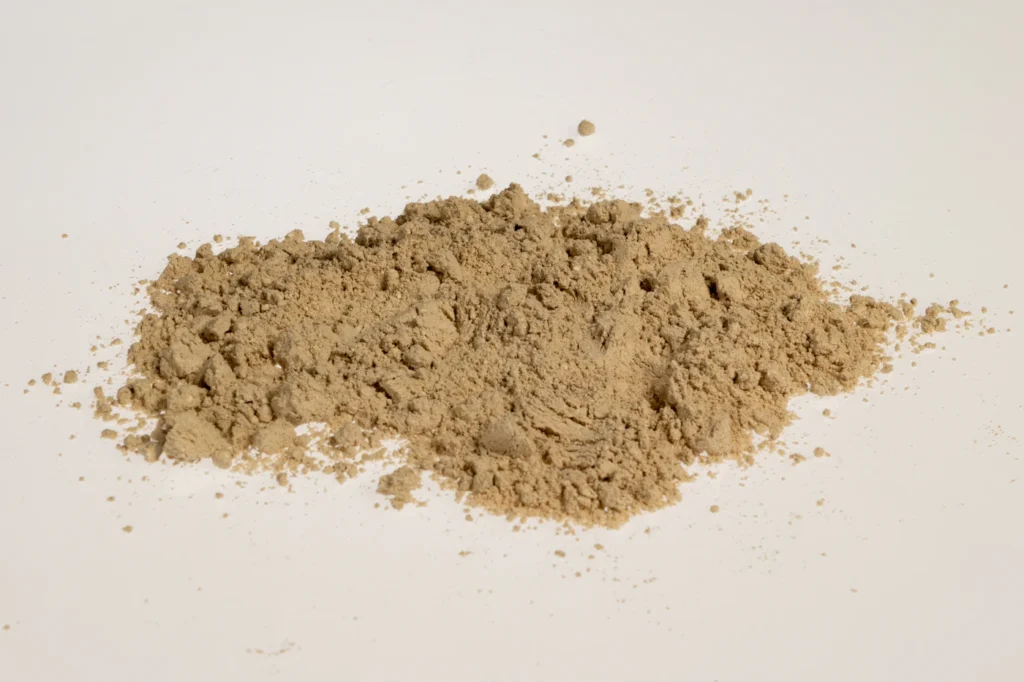
Ashwagandha vs Shilajit: Differences, Uses & How to Choose
Ashwagandha and shilajit are both well-known in Ayurveda, but they are not interchangeable. Ashwagandha (Withania somnifera) is a botanical traditionally used as a rasayana, while shilajit is a mineral-rich natural exudate found in mountainous regions. If you are deciding between them, the better choice depends on your goal, health history, medications and the quality of the product.
This guide separates traditional Ayurvedic use from what modern human research can actually support. For more foundational reading, see our Ashwagandha benefits, uses, dosage and timing guide or browse the AyurvedaHealthMart blog.
Ashwagandha vs Shilajit at a Glance
| Feature | Ashwagandha | Shilajit |
|---|---|---|
| What it is | A medicinal plant; supplements commonly use root or root/leaf extracts | A natural mineral-organic exudate that requires careful purification and quality control |
| Traditional context | Rasayana; associated with strength, resilience and restorative use | Rasayana; traditionally associated with vitality and rejuvenation |
| Modern evidence | Human trials and reviews suggest potential benefits for stress and sleep, though studies vary | Human evidence is much more limited; small studies have explored physical performance and male health |
| Key buying issue | Standardized extract, plant part and withanolide disclosure | Purification, contaminant testing and batch quality are especially important |
What Is Ashwagandha?
Ashwagandha has a long history in Ayurvedic practice. Modern supplements vary substantially in extract type and concentration, so results from one standardized extract cannot automatically be applied to every product.
Modern evidence is most developed around stress and sleep. The U.S. National Center for Complementary and Integrative Health (NCCIH) notes that some ashwagandha preparations may help with insomnia and stress, while evidence for many other promoted uses remains insufficient. A 2024 systematic review and meta-analysis also found improvements in measures of stress and anxiety, but emphasized the need for more long-term safety data.
Read our supporting guides on Ashwagandha for stress and sleep, the best time to take Ashwagandha, and how long Ashwagandha may take to work.
What Is Shilajit?
Shilajit is traditionally used in Ayurveda as a rasayana. Unlike a single herb, its composition can vary with geography and processing. That makes sourcing and purification particularly important.
Modern clinical evidence is still preliminary. A recent 28-day open-label pilot study in healthy adults reported changes in several performance measures, but because it was small, short and lacked a placebo control, it should be viewed as hypothesis-generating rather than proof of a broad benefit. Research on commercial shilajit also shows composition can vary, reinforcing the importance of standardized manufacturing and contaminant testing.
Which Has Better Evidence?
For stress and sleep, ashwagandha currently has the stronger human evidence base. Systematic reviews have pooled multiple randomized trials, although heterogeneity, small samples and differing preparations limit certainty. Shilajit has fewer rigorous human trials, so claims about energy, stamina, hormones or general vitality should be interpreted more cautiously.
Neither supplement should be considered a treatment or cure for a medical condition. Traditional use is valuable context, but it is not the same thing as evidence from well-designed clinical trials.
Prefer a clearly labelled formulation from an established manufacturer. Explore Himalaya Ashwagandha 250 mg – 60 Tablets or Himalaya Shilajit – 60 Capsules. Product availability and formulations can change, so always read the current label before use.
How to Choose Between Ashwagandha and Shilajit
If your main goal is stress or sleep support
Ashwagandha is the more evidence-supported option of the two. That does not mean it works for everyone, and it should not replace evaluation for persistent anxiety, insomnia or another health problem.
If your main goal is vitality or exercise support
Shilajit is traditionally associated with vitality, but the clinical evidence is less mature. If you choose it, prioritize a reputable, purified product with appropriate quality testing rather than relying on marketing claims.
If quality and predictability are your priority
For either product, check the ingredient list, serving size, manufacturer, batch information and testing claims. With shilajit in particular, avoid unidentified raw material or products that provide no meaningful sourcing or purification information.
Can You Take Ashwagandha and Shilajit Together?
They are sometimes combined in traditional or commercial wellness routines, but there is not strong clinical evidence establishing that the combination is more effective or safer than either alone. Starting multiple supplements simultaneously also makes it harder to identify which product caused a benefit or side effect. If you take medication or have a medical condition, discuss the combination with a qualified clinician or pharmacist first.
Safety, Contraindications and Interactions
NCCIH advises that ashwagandha may cause drowsiness or gastrointestinal effects and has rarely been linked with liver injury. It should be avoided during pregnancy and breastfeeding, and may be inappropriate around surgery or for people with autoimmune or thyroid disorders. Potential interactions include medicines for diabetes or blood pressure, immunosuppressants, sedatives, anticonvulsants and thyroid hormone medicines.
For shilajit, the evidence base for long-term safety is limited and product quality matters. Because natural-source composition varies, choose purified products from manufacturers that use appropriate testing. People who are pregnant or breastfeeding, have chronic disease, take prescription medicines, or are considering supplements for a diagnosed condition should seek professional guidance.
How to Shop More Carefully
Do not choose solely on claims such as “maximum strength” or “instant energy.” Compare the exact formulation, dose per serving, extraction or purification information, expiry details and manufacturer. You can browse our Ayurvedic and herbal supplement range and review each label before deciding.
Frequently Asked Questions
Is Shilajit stronger than Ashwagandha?
There is no scientifically meaningful universal “strength” comparison. They are different substances with different traditional uses and different levels of clinical evidence.
Which is better for stress?
Ashwagandha has more human research for stress-related outcomes than shilajit, although the evidence is not definitive and preparations vary.
Which is better for energy?
Shilajit is traditionally associated with vitality, but robust clinical evidence for general energy enhancement remains limited. Fatigue that is persistent or unexplained warrants medical assessment.
Can I use either every day?
Daily use depends on the specific formulation, dose, health status and medicines. Long-term safety data are limited, particularly for many supplement formulations, so follow the label and seek professional advice when appropriate.
Bottom Line
Ashwagandha and shilajit occupy different places in Ayurvedic tradition and modern research. If stress or sleep is the main goal, ashwagandha has the stronger evidence base. If you are exploring shilajit for traditional vitality support, product purity and realistic expectations matter. In either case, quality, individual health factors and medication interactions should guide the decision.
Ready to compare options? Review our Ashwagandha and Shilajit product pages for current labels and product details.
References
- NCCIH: Ashwagandha — Usefulness and Safety
- Systematic review and meta-analysis of Ashwagandha for stress and anxiety (2024)
- Systematic review and meta-analysis of Ashwagandha and sleep
- Research on compositional variability in Shilajit and supplements
Medical disclaimer: This article is for educational purposes and does not provide medical advice, diagnosis or treatment. Supplements can cause adverse effects and interact with medicines. Consult an appropriately qualified healthcare professional for individual guidance.