
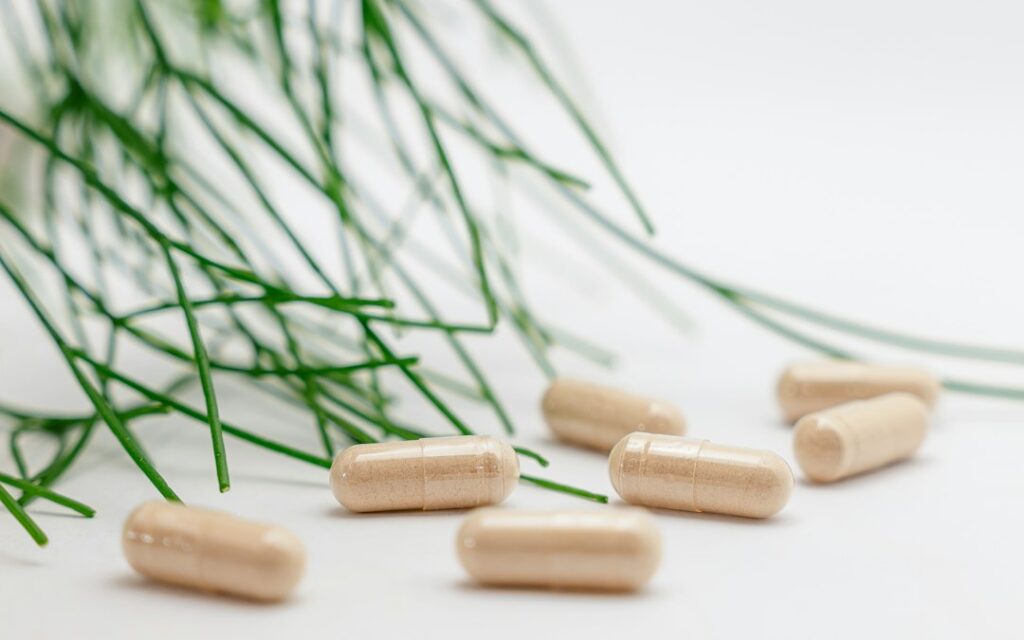
Brahmi tablets vs capsules: which is the better choice for memory and focus? The answer depends far more on the botanical species, formulation, extract specification and label transparency than on whether the supplement is pressed into a tablet or enclosed in a capsule. This educational guide explains what to compare, what studies actually investigated, and where safety concerns belong.
Start with the plant identity, not the capsule shell
Brahmi commonly refers to Bacopa monnieri in discussions of cognition and in many supplement labels, but common names are not always used consistently. Read the Latin botanical name and the specified plant part. A tablet labelled Brahmi could include a whole-herb powder, an extract, or a multi-ingredient blend. Neither ‘tablet’ nor ‘capsule’ tells you which one is inside. If botanical identity is missing, ask the seller or manufacturer for documentation rather than assuming it is the same herb used in published research.
Tablets versus capsules: the meaningful differences
A tablet is compressed material, sometimes with coatings and binders. A capsule holds powder or granules within a shell made from gelatin or a vegetarian alternative. Either can contain powdered herb, standardized extract or multiple ingredients. Tablets may be easier for some users to store; capsules may be preferred by people who dislike tablet coatings. Swallowing comfort, allergies, dietary needs and serving instructions matter. Neither form is inherently faster, purer, more effective or safer. Claims about absorption should be supported by tests of the specific formulation rather than generalized from the shape.
Why the milligram number is not enough
The declared milligrams may represent whole herb, concentrated extract, or a blend. For example, 250 mg of dried herb cannot automatically be compared with 250 mg of an extract. Check whether the label states quantity per tablet, per capsule or per multiple-unit serving. An extraction ratio may offer context but does not establish equivalent clinical performance. A large front-of-pack number can be misleading when it is the combined amount of multiple herbs rather than Brahmi alone.
What does standardized to bacosides mean?
Bacosides are among compounds investigated in Bacopa preparations. Some products claim standardization to a specified bacoside content. This can be useful quality information, but results depend on the method of measurement and the constituents included. Higher percentages do not necessarily mean better memory effects, and compounds are not always directly comparable across products. Ask for batch-level evidence of identity, composition and contaminant testing where available. A standardized extract is not a medicine approved to treat dementia, ADHD or another neurological disorder.
What research says about memory and attention
Some randomized controlled trials and systematic reviews have explored Bacopa monnieri extracts in adults. Selected attention, processing-speed or memory outcomes have shown possible benefits in certain studies, commonly assessed over a period of weeks. However, evidence varies by preparation, population, test and research quality. Results are not proof that a retail Brahmi tablet will boost exam performance or reverse cognitive decline. Study findings on one standardized Bacopa extract cannot be automatically generalized to an unrelated whole-herb tablet or mixed capsule.
How quickly should someone expect results?
Brahmi is not established as an instant-focus stimulant. Clinical studies generally look at repeated exposure over weeks, but they do not define a universally effective schedule for every user. Don’t double servings after a few days because you do not notice a change. Persistent problems with memory, concentration, mood or sleep deserve evaluation for potentially treatable causes, including medication effects, sleep loss, anxiety, depression and medical disorders. Time-to-effect marketing promises should be treated cautiously.
A real-world quality and label checklist
First identify the precise Latin species and plant part. Second, confirm the amount per serving and whether the ingredient is powder or an extract. Third, inspect full ingredients, allergens and capsule shell where relevant. Fourth, look for manufacturer or marketer contact details, batch/lot number, storage instructions and expiry date. Fifth, evaluate any standardization claim and whether credible testing documents are available. Sixth, read contraindications and interaction warnings. Finally, compare price per labelled serving without treating a low price as proof of poor quality or a high price as proof of efficacy.
Side effects, interactions and who needs advice
Bacopa products can cause gastrointestinal discomfort, nausea, loose stools or abdominal cramping. Some people may experience fatigue or drowsiness. Interaction research in humans is limited, and theoretical or reported interactions with sedatives, medicines affecting thyroid function, and other prescriptions deserve professional review. Those who are pregnant or breastfeeding should not self-prescribe because reliable safety data are lacking. People with chronic illness, complex medication regimens or planned surgery should tell their clinician about supplements. Do not stop prescribed medicines or use Brahmi instead of treatment for diagnosed neurological conditions.
What to ask before choosing a tablet or capsule
Ask: Can I identify the actual Bacopa ingredient? Does this brand disclose the plant part and extract specification? Is a serving one tablet, two capsules or something else? Which excipients and allergens are included? Are batch quality and contaminant controls documented? Are the directions sensible for my situation? Would I be comfortable swallowing and consistently following the label? If two products are similarly documented, form preference may be a reasonable final consideration. If one product lacks transparent ingredients, its delivery form should not rescue the decision.
Five marketing claims worth questioning
‘More milligrams equals better memory’ ignores extract differences. ‘Capsules absorb better than tablets’ requires formulation-specific evidence. ‘Works immediately’ does not reflect how cognition studies have usually been assessed. ‘Natural means no side effects’ is false. ‘Brahmi cures ADHD or dementia’ is not established. Evaluate statements against independently published evidence and the exact product description rather than testimonials.
Using product information responsibly
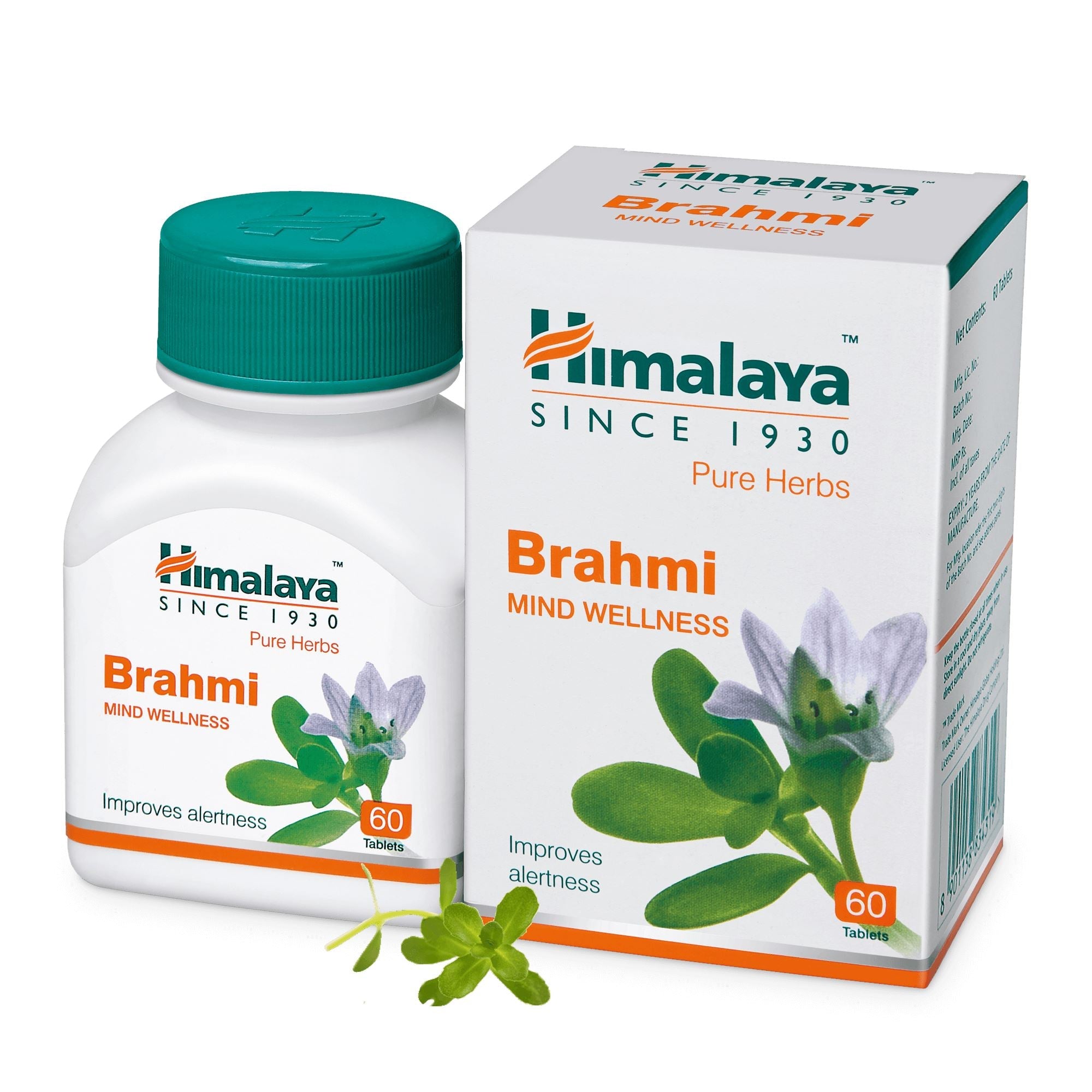
Look at the product packaging, not only the headline on a shop listing. Confirm that pictures correspond to the product offered and that the label has not changed. A 60-tablet package is a quantity, not a personal duration recommendation. When comparing a branded tablet with a capsule from another seller, record species, part, formulation, amount per serving and precautions side by side. If labels are unavailable, a decision based on supposed potency alone is not well informed.
Bottom line: choose documentation before dosage form
Brahmi tablets versus capsules is primarily a comparison of formulation transparency, ingredient quality, practical needs and safety—not an automatic winner based on the shell. The botanical species, preparation, independent quality evidence, label directions and potential interactions matter more. Benefits for cognition remain subject to research limits and should never substitute for diagnosis or conventional care.
Tablet and capsule comparison at a glance
| Decision factor | Tablet | Capsule |
|---|---|---|
| Physical format | Compressed and possibly coated | Powder or granules in a shell |
| Can contain Bacopa extract? | Yes | Yes |
| Can contain excipients? | Yes | Yes |
| Proven to improve cognition more? | No format-wide conclusion | No format-wide conclusion |
| Main buying checks | Ingredient identity, label and quality | Ingredient identity, shell, label and quality |
Further reading and references
For traditional uses and modern research, see our Brahmi for memory and focus evidence guide. To distinguish the botanical from other popular wellness ingredients, read Brahmi vs Ashwagandha. For general supplement decision-making, consult NCCIH supplement guidance and NIH Office of Dietary Supplements. Search peer-reviewed study abstracts on PubMed, bearing in mind the formulation-specific nature of research.
Frequently asked questions
Are Brahmi tablets better than capsules for memory?
There is no reliable evidence that the shape alone determines cognitive effects. Evaluate the exact ingredient and formulation.
Does Bacopa monnieri work immediately?
It is not established as an instant performance enhancer. Trials often assess outcomes over weeks.
Do capsules always absorb faster?
No. Absorption depends on the precise formulation, dissolution and other factors; don’t assume a format-wide advantage.
What are bacosides?
They are a group of constituents sometimes used in the specification of Bacopa extracts. Percentage does not alone establish clinical benefits.
Is a higher milligram amount better?
Not necessarily. Whole herb, extracts and blended ingredients are not automatically comparable by milligrams.
Can Brahmi replace medication for ADHD or dementia?
No. It is not established as a replacement for prescribed treatments or clinical assessment.
Can Brahmi cause side effects?
Yes. Digestive symptoms and drowsiness may occur, and interactions are not fully understood.
Is Brahmi suitable during pregnancy?
Avoid self-prescribing during pregnancy or breastfeeding because reliable safety information is insufficient.
How should I compare the two labels?
Check botanical identity, plant part, extract type, serving size, excipients, batch information and precautions.
Editorial notice: General educational information only; not individualized medical advice, and no named clinician review is claimed.